
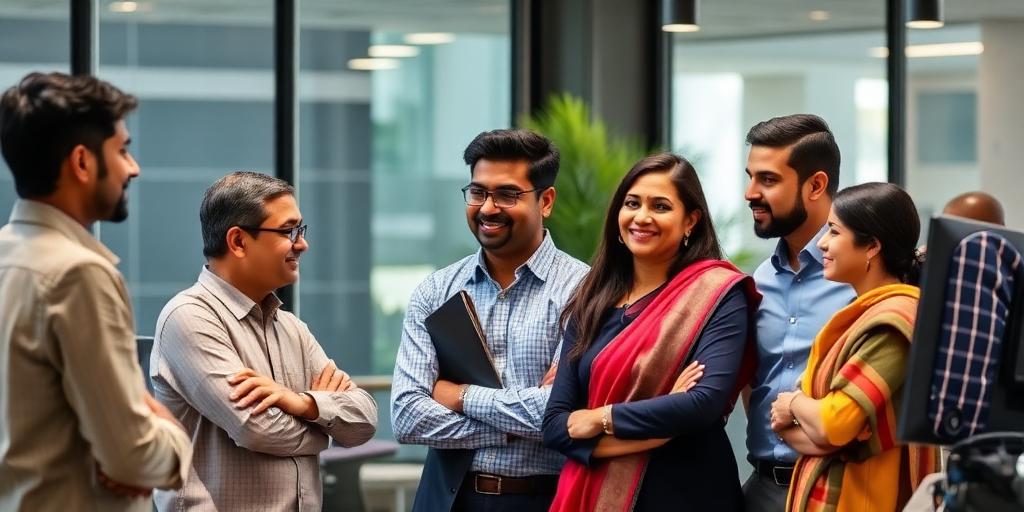
Managing Multi-Generational Teams in the Indian Workplace
The Indian workplace is undergoing a significant transformation, marked by the increasing presence of multi-generational teams. These teams, comprising individuals from different age groups—Baby Boomers, Generation X, Millennials, and Generation Z—bring a diverse range of experiences, perspectives, and work styles. Effectively managing these teams is crucial for fostering a productive and harmonious work environment.
Understanding Generational Differences
Each generation has been shaped by distinct historical events, cultural trends, and technological advancements, influencing their values, expectations, and approaches to work:
- Baby Boomers (born 1946-1964): Tend to be hardworking, loyal, and value experience and stability.
- Generation X (born 1965-1980): Are often independent, resourceful, and prioritize work-life balance.
- Millennials (born 1981-1996): Are typically tech-savvy, collaborative, and seek purpose in their work.
- Generation Z (born 1997-2012): Are digitally native, entrepreneurial, and value diversity and inclusion.
Strategies for Effective Management
To harness the strengths of each generation and mitigate potential conflicts, consider the following strategies:
Foster Open Communication:
- Encourage dialogue and active listening to understand each generation's perspectives.
- Utilize various communication channels to cater to different preferences (e.g., email, instant messaging, face-to-face meetings).
- Promote a culture of feedback where individuals feel comfortable sharing ideas and concerns.
Provide Flexible Work Arrangements:
- Offer flexible work hours, remote work options, and personalized career paths to accommodate diverse needs and preferences.
- Recognize that work-life balance is important for all generations, albeit for different reasons.
Promote Cross-Generational Mentoring:
- Pair experienced Baby Boomers with younger Millennials or Gen Z employees to facilitate knowledge transfer and skill development.
- Encourage reverse mentoring, where younger employees share their tech expertise with older colleagues.
Offer Tailored Training and Development:
- Provide training programs that cater to the specific learning styles and needs of each generation.
- Offer opportunities for continuous learning and skill enhancement to keep employees engaged and motivated.
Recognize and Reward Contributions:
- Acknowledge and appreciate the unique contributions of each generation.
- Implement a fair and transparent performance management system that rewards both individual and team achievements.
Address Potential Conflicts:
- Be proactive in identifying and addressing potential conflicts arising from generational differences.
- Encourage empathy and understanding among team members.
- Mediate conflicts fairly and impartially, focusing on finding mutually agreeable solutions.
Adapting to the Indian Context
In the Indian workplace, factors such as cultural values, family expectations, and hierarchical structures can further influence generational dynamics. It is essential to:
- Respect Traditional Values: Acknowledge and respect the experience and wisdom of older generations.
- Promote Inclusivity: Create a welcoming and inclusive environment where all employees feel valued and respected, regardless of their age or background.
- Address Technology Divide: Provide adequate training and support to bridge the technology gap between generations.
Conclusion
Managing multi-generational teams in the Indian workplace requires a nuanced and adaptable approach. By understanding the unique characteristics of each generation and implementing effective management strategies, organizations can create a cohesive and productive work environment that leverages the strengths of all employees. Embracing diversity and fostering open communication are key to unlocking the full potential of multi-generational teams and driving organizational success.


