
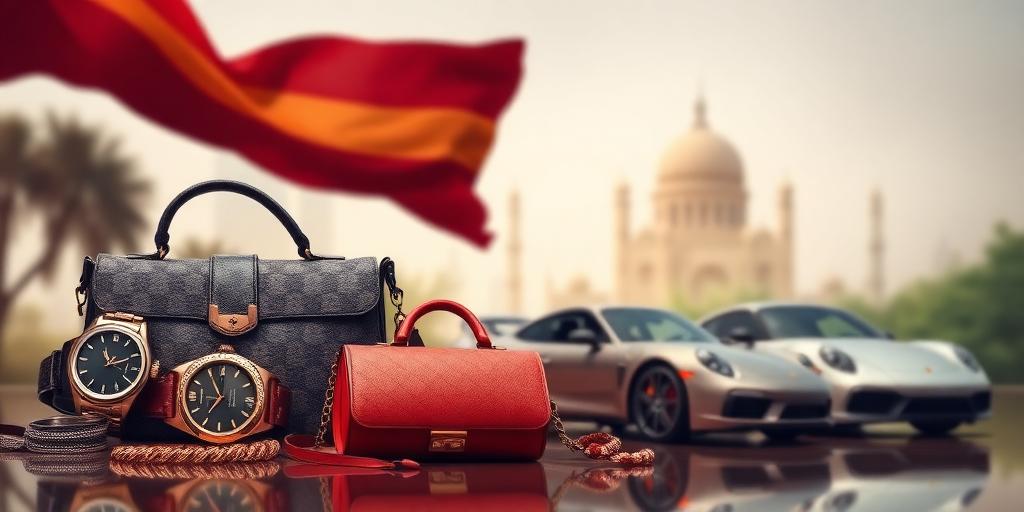
Luxury Goods Market in India: Resilience and Growth Drivers Post-Pandemic
The Indian luxury goods market has demonstrated remarkable resilience and growth in the period following the pandemic. This article delves into the key factors driving this expansion, the evolving consumer behavior, and the overall outlook for luxury brands in India.
Market Overview
The luxury market in India, encompassing high-end fashion, accessories, automobiles, wines and spirits, and premium services, experienced a notable downturn during the peak of the COVID-19 pandemic. Lockdowns, travel restrictions, and economic uncertainties significantly impacted consumer spending. However, as the situation normalized, the market rebounded strongly, driven by pent-up demand, changing consumer preferences, and increased disposable incomes among affluent individuals.
Key Growth Drivers
Several factors have contributed to the resurgence of the luxury market in India:
- Rising Disposable Incomes: India's growing economy has led to an increase in the number of high-net-worth individuals (HNWIs) and affluent households, creating a larger consumer base for luxury goods.
- Changing Consumer Behavior: There is a growing aspirational class in India that seeks to emulate global trends and lifestyles. Consumers are increasingly willing to spend on luxury items as a symbol of status and achievement.
- E-commerce and Digitalization: The rise of e-commerce platforms has made luxury goods more accessible to consumers across the country. Online channels provide convenience, a wider selection, and personalized shopping experiences.
- Increased Brand Awareness: Global luxury brands have intensified their marketing efforts in India, leveraging digital media, social media influencers, and celebrity endorsements to enhance brand visibility and appeal.
- Government Policies: Supportive government policies, such as the relaxation of foreign direct investment (FDI) norms in the retail sector, have encouraged international luxury brands to establish a presence in India.
Evolving Consumer Preferences
Indian luxury consumers are becoming more discerning and sophisticated in their choices. They are not only seeking high-quality products but also value experiences, personalization, and sustainability. Key trends include:
- Demand for Exclusivity: Consumers are drawn to limited-edition products, bespoke services, and personalized experiences that offer a sense of uniqueness.
- Focus on Sustainability: There is a growing awareness of environmental and social issues, leading to increased demand for eco-friendly and ethically sourced luxury goods.
- Preference for Local Brands: While global luxury brands remain popular, there is also a growing appreciation for Indian designers and artisans who offer a blend of traditional craftsmanship and contemporary designs.
- Emphasis on Experiences: Luxury consumers are increasingly investing in travel, fine dining, wellness retreats, and other experiential offerings.
Challenges and Opportunities
Despite the positive outlook, the luxury market in India faces certain challenges:
- High Import Duties: High import duties on luxury goods can increase prices and limit affordability for some consumers.
- Infrastructure Constraints: Inadequate infrastructure, such as transportation and retail spaces, can hinder the expansion of luxury brands in certain regions.
- Counterfeit Products: The prevalence of counterfeit luxury goods poses a threat to brand reputation and sales.
However, there are also significant opportunities for growth:
- Expanding to Tier II and Tier III Cities: Luxury brands can tap into the growing affluence in smaller cities by expanding their retail presence and online reach.
- Customizing Products and Services: Offering customized products and personalized services can enhance customer loyalty and attract new consumers.
- Leveraging Digital Marketing: Investing in digital marketing strategies, such as targeted advertising and social media campaigns, can effectively reach and engage with luxury consumers.
Conclusion
The Indian luxury goods market has demonstrated remarkable resilience and growth potential post-pandemic. Driven by rising disposable incomes, changing consumer behavior, and increased brand awareness, the market is poised for further expansion in the coming years. Luxury brands that can adapt to evolving consumer preferences, address challenges, and capitalize on opportunities will be well-positioned to succeed in this dynamic market.


