
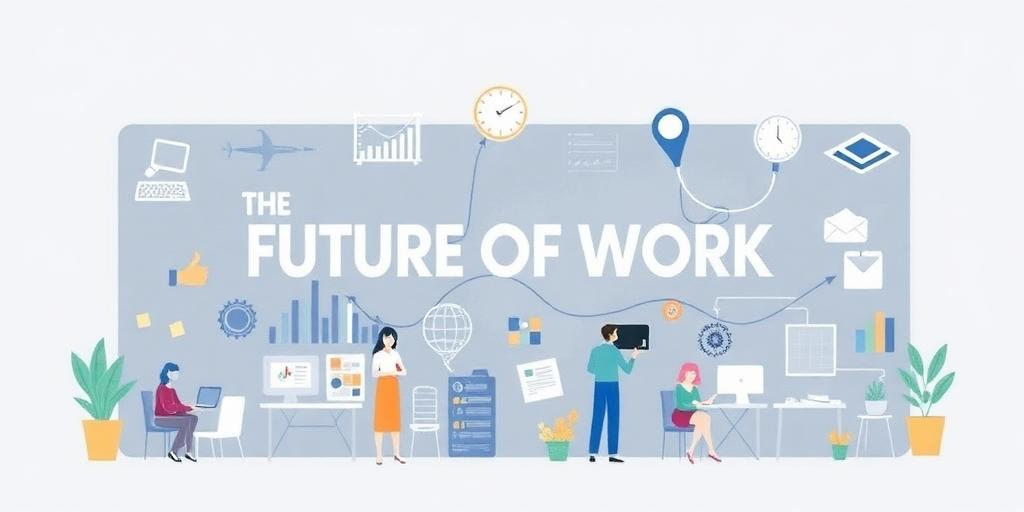
The Evolving Landscape of Work: Remote, Hybrid, and the Future
The way we work is undergoing a seismic shift. Fueled by technological advancements and accelerated by global events, the traditional 9-to-5 office structure is rapidly evolving. To understand this transformation, we turn to insights from Slack's Future Forum and reports from The Verge, both offering valuable perspectives on remote work, hybrid models, and the future of the workplace.
Remote Work: A Permanent Fixture?
Slack's Future Forum, a consortium dedicated to researching the future of work, consistently highlights the growing preference for flexibility. Their studies indicate that a significant portion of the workforce desires remote or hybrid arrangements. The Verge, known for its in-depth tech and culture coverage, has also documented this trend, showcasing companies that are embracing remote work as a competitive advantage.
- Increased Employee Satisfaction: Remote work often correlates with higher job satisfaction due to increased autonomy and better work-life balance.
- Expanded Talent Pool: Companies can tap into a wider range of talent, no longer limited by geographical constraints.
- Potential Cost Savings: Reduced office space can lead to significant cost savings for organizations.
Hybrid Models: The Middle Ground
While fully remote work appeals to many, hybrid models are emerging as a popular compromise. These models combine remote work with occasional in-office days, offering a balance between flexibility and collaboration. Slack's Future Forum emphasizes the importance of designing hybrid models thoughtfully, ensuring equitable experiences for all employees, regardless of location. The Verge has reported on the challenges of implementing successful hybrid strategies, including the need for clear communication, robust technology, and a focus on inclusivity.
- Structured Flexibility: Hybrid models allow employees to choose their work location on certain days, promoting autonomy while maintaining in-person collaboration.
- Enhanced Collaboration: In-office days can be strategically used for team meetings, brainstorming sessions, and relationship building.
- Technology Integration: Seamless communication and collaboration tools are crucial for successful hybrid environments.
Addressing the Challenges
Despite the benefits, remote and hybrid work present challenges. Slack's Future Forum addresses issues such as maintaining company culture, preventing burnout, and ensuring equitable opportunities for career advancement. The Verge has also explored the potential downsides, including feelings of isolation, difficulties in separating work and personal life, and the risk of a two-tiered system where remote workers are overlooked for promotions.
- Combating Isolation: Companies need to foster a sense of community and belonging through virtual social events, online communication channels, and regular team check-ins.
- Preventing Burnout: Encouraging employees to set boundaries, take breaks, and prioritize their well-being is essential.
- Ensuring Equity: Implementing clear performance metrics and providing equal access to resources and opportunities for all employees is crucial.
The Future of Work: A Continual Evolution
The insights from Slack's Future Forum and The Verge paint a clear picture: the future of work is flexible, adaptable, and employee-centric. Companies that embrace these trends and prioritize the needs of their workforce will be best positioned to attract and retain talent, foster innovation, and thrive in the evolving landscape.
By understanding the nuances of remote work, hybrid models, and the challenges they present, organizations can create work environments that are both productive and fulfilling for their employees. The journey towards the future of work is ongoing, requiring continuous learning, experimentation, and a commitment to creating a better experience for everyone.


