
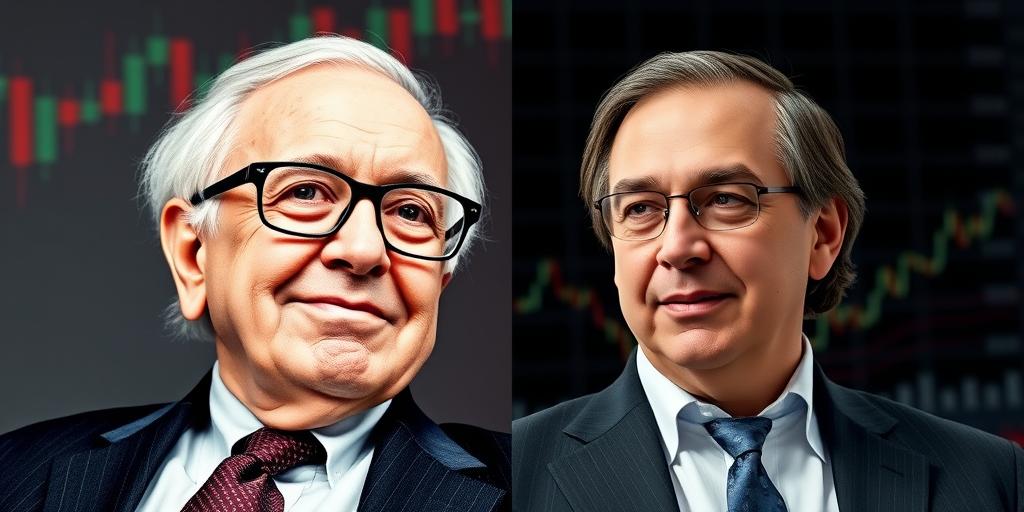
Investment Wisdom: Warren Buffett's Latest Letter vs. Ray Dalio's Principles – A Curated Comparison
In the world of investment, two names consistently rise to the top: Warren Buffett and Ray Dalio. Buffett, the Oracle of Omaha, known for his value investing approach, and Dalio, the founder of Bridgewater Associates, a proponent of macroeconomic investing. Both have legions of followers eager to absorb their wisdom. This article offers a curated comparison of their investment philosophies, drawing insights from Buffett's latest letter to shareholders and Dalio's renowned "Principles."
Key Takeaways from Warren Buffett's Latest Letter
- Emphasis on Value Investing: Buffett reiterates his commitment to buying undervalued companies with strong management and long-term growth potential. He avoids speculative investments and focuses on businesses he understands.
- Importance of Patience: Buffett stresses the need for a long-term investment horizon, cautioning against short-term market fluctuations. He advocates for holding quality stocks through market cycles.
- Skepticism towards Excessive Leverage: Buffett warns against using excessive debt to finance investments, highlighting the risks of amplifying losses during market downturns.
Ray Dalio's Investment Principles
Dalio's "Principles" provides a framework for decision-making in investing and life. Here are some key investment principles:
- Understand the Economic Machine: Dalio emphasizes the importance of understanding how the economy works, including the forces of inflation, interest rates, and debt cycles. Understanding the Economic Machine is crucial for making informed investment decisions.
- Diversify Your Portfolio: Dalio advocates for diversifying across different asset classes, geographies, and currencies to reduce risk and enhance returns. Diversify Portfolio is a common recommendation.
- Follow a Rules-Based Approach: Dalio encourages investors to develop a systematic, rules-based approach to investing, minimizing emotional biases and improving consistency. Rules-Based Approach ensures consistency.
Buffett vs. Dalio: A Comparative Analysis
| Feature | Warren Buffett | Ray Dalio | | :---------------------- | :--------------------------------------------------------------------------- | :--------------------------------------------------------------------------------------------------------- | | Investment Style | Value Investing | Macroeconomic Investing | | Focus | Individual Companies | Economic Trends and Asset Allocation | | Time Horizon | Long-Term (Decades) | Medium to Long-Term (Years) | | Risk Management | Avoids Leverage, Focuses on Company Fundamentals | Diversification, Systematic Risk Management | | Decision Making | Intuitive, Based on Experience and Judgment | Rules-Based, Data-Driven | | Key Message for 2024 | Stay focused on businesses you understand and be patient. | Understand the economic forces at play and diversify accordingly.
Bridging the Gap: Synergies and Complementary Approaches
While Buffett and Dalio have different investment styles, their philosophies share some common ground. Both emphasize the importance of understanding risk, maintaining a long-term perspective, and avoiding emotional decision-making. Investors can benefit from studying both approaches and incorporating aspects that align with their individual goals and risk tolerance. Ray Dalio and Warren Buffett are both legendary investors, despite having differing styles. Legendary Investors share some common traits.
Long-Tail Keyword Variations
- Warren Buffett Ray Dalio investment comparison
- Buffett's latest letter investment insights
- Ray Dalio's principles for portfolio management
- Value investing vs macroeconomic investing
- Investment wisdom from top investors
Conclusion
Warren Buffett's focus on value investing and long-term patience contrasts with Ray Dalio's macroeconomic, rules-based approach. However, both investors offer valuable lessons. By understanding their principles and adapting them to your own investment strategy, you can increase your chances of success in the market.


