
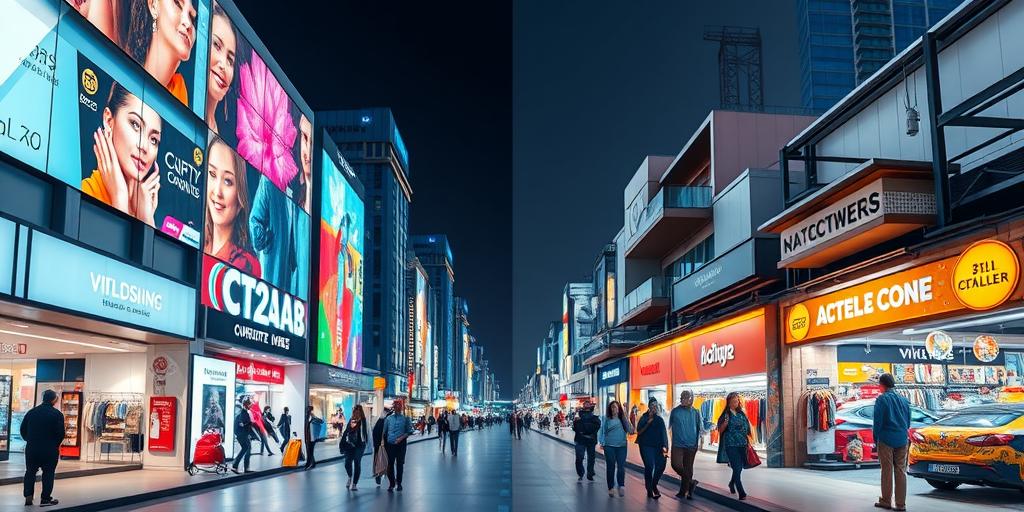
Decoding Consumer Behavior: Key Trends Shaping Retail in Metros vs. Tier-2 Cities
The retail landscape in India is undergoing a dynamic transformation, fueled by evolving consumer behavior and preferences. A critical aspect of this shift is understanding the distinct trends shaping retail in metropolitan cities compared to Tier-2 cities. This post delves into the key differences, providing insights for retailers aiming to thrive in these diverse markets.
I. Understanding the Landscape
- Metropolitan Cities: Characterized by high population density, diverse demographics, higher disposable incomes, and greater exposure to global trends. These cities are often early adopters of new technologies and retail concepts.
- Tier-2 Cities: These cities are witnessing rapid growth, driven by increasing urbanization, rising incomes, and improved infrastructure. Consumers in Tier-2 cities are becoming more aspirational and brand-conscious, but affordability remains a key consideration.
II. Key Trends in Metropolitan Cities
- E-commerce Dominance: Online shopping is deeply ingrained in the lifestyle of metro consumers, with a preference for convenience, variety, and competitive pricing. Omni-channel strategies are crucial for retailers to provide a seamless shopping experience.
- Experiential Retail: Metro consumers seek unique and immersive shopping experiences. Retailers are investing in store designs, interactive displays, personalized services, and events to attract and retain customers.
- Demand for Premium and Luxury Goods: Higher disposable incomes drive demand for premium and luxury brands. Retailers are expanding their offerings of high-end products and services to cater to this segment.
- Health and Sustainability Consciousness: Metro consumers are increasingly health-conscious and environmentally aware. Retailers are responding by offering organic, sustainable, and ethically sourced products.
- Quick Commerce (Q-Commerce): The need for speed is paramount. Q-commerce platforms that deliver groceries, essentials, and other goods within minutes are gaining traction.
III. Key Trends in Tier-2 Cities
- Value-Driven Shopping: Affordability is a primary driver. Consumers are price-sensitive and seek value for their money. Retailers must offer competitive pricing, discounts, and promotions.
- Growing Brand Awareness: While price is important, brand awareness is increasing. Consumers are drawn to established and trusted brands, but local brands also hold significant sway.
- Increased Adoption of E-commerce: E-commerce is rapidly gaining popularity, driven by increased internet penetration and smartphone usage. However, trust and logistical challenges remain.
- Preference for Physical Retail: Brick-and-mortar stores continue to be important, especially for categories like apparel, footwear, and home goods. Consumers appreciate the ability to touch, feel, and try products before buying.
- Localized Offerings: Retailers need to tailor their product offerings and marketing strategies to local preferences and cultural nuances. Understanding regional tastes and traditions is crucial.
IV. Bridging the Gap: Strategies for Retailers
- Omni-channel Integration: Offer a seamless shopping experience across online and offline channels. This includes options like click-and-collect, in-store returns for online purchases, and consistent branding across all platforms.
- Personalization: Leverage data analytics to understand individual customer preferences and tailor product recommendations, marketing messages, and promotions accordingly.
- Localized Marketing: Develop marketing campaigns that resonate with local audiences. This includes using local languages, featuring local influencers, and participating in local events.
- Focus on Value: Emphasize value for money, whether through competitive pricing, discounts, or loyalty programs. Highlight the benefits and features of your products or services.
- Invest in Customer Service: Provide excellent customer service across all touchpoints. Train your staff to be knowledgeable, helpful, and responsive to customer needs.
V. The Future of Retail
The retail landscape will continue to evolve, driven by technological advancements, changing consumer demographics, and evolving preferences. Retailers that can adapt to these changes and cater to the unique needs of metro and Tier-2 city consumers will be best positioned for success.
By understanding the key trends outlined in this post, retailers can develop effective strategies to navigate the complexities of the Indian market and build lasting relationships with their customers. As consumer behavior continues to evolve, staying informed and adaptable will be essential for thriving in the dynamic world of retail.


