
Agri-Tech in India: Innovations Driving a Silent Revolution in 2024
India's agricultural sector, long a cornerstone of its economy, is undergoing a dramatic transformation fueled by the rapid adoption of agri-tech solutions. In 2024, these innovations are not just incremental improvements but are driving a silent revolution, enhancing productivity, sustainability, and the livelihoods of millions of farmers.
The Rise of Agri-Tech: A Necessity
With a growing population and increasing demands on food production, traditional farming methods are proving insufficient. Agri-tech offers the potential to bridge this gap through:
- Precision Farming: Utilizing sensors, drones, and data analytics to optimize resource use.
- Improved Crop Management: AI-driven insights into soil health, pest control, and irrigation.
- Market Access: Connecting farmers directly to markets, reducing intermediaries and increasing profitability.
Key Innovations in 2024
Several key technologies are at the forefront of this transformation:
AI-Powered Agricultural Platforms: Companies are developing AI platforms that analyze vast datasets to provide farmers with actionable insights. These platforms can predict crop yields, detect diseases early, and optimize irrigation schedules, leading to significant improvements in productivity.
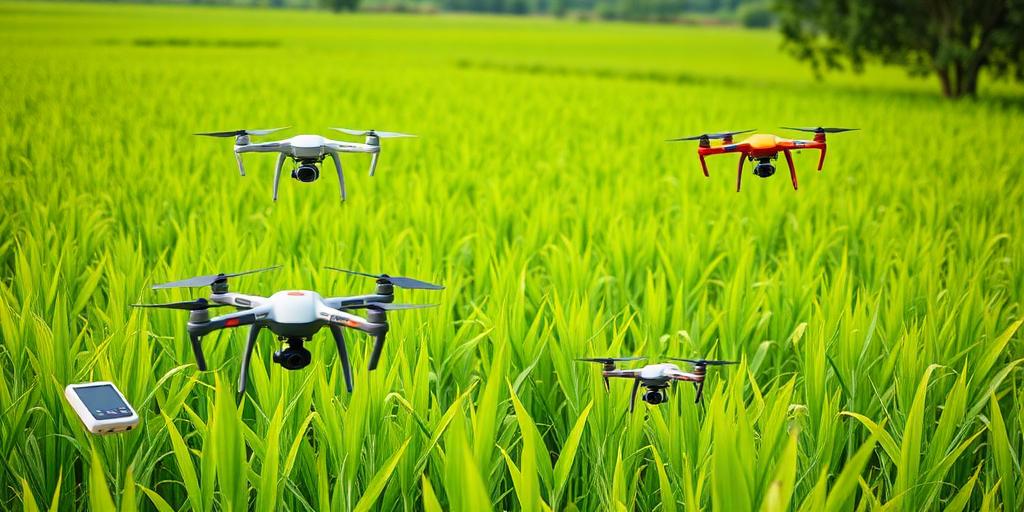
Drone Technology: Drones are being used for everything from field mapping and crop monitoring to precision spraying of fertilizers and pesticides. This reduces manual labor, minimizes chemical usage, and improves overall efficiency.
Internet of Things (IoT) Devices: IoT sensors are deployed in fields to collect real-time data on soil moisture, temperature, and nutrient levels. This data is used to fine-tune farming practices, ensuring optimal growing conditions.
Blockchain for Supply Chain Transparency: Blockchain technology is enhancing transparency and traceability in the agricultural supply chain. This helps to reduce fraud, improve food safety, and ensure fair prices for farmers.
Mobile Apps for Farmers: A proliferation of mobile apps are providing farmers with access to weather forecasts, market prices, expert advice, and government schemes. These apps are empowering farmers with the information they need to make informed decisions.
Impact on Indian Agriculture
The adoption of agri-tech is having a profound impact on Indian agriculture:
- Increased Productivity: Precision farming and improved crop management practices are leading to higher yields and reduced input costs.
- Enhanced Sustainability: Agri-tech promotes sustainable farming practices, reducing the environmental impact of agriculture.
- Improved Livelihoods: By connecting farmers directly to markets and providing access to financial services, agri-tech is improving the livelihoods of millions of farmers.
- Reduced Food Waste: Improved supply chain management and storage solutions are helping to reduce food waste, ensuring that more produce reaches consumers.
Challenges and Opportunities
Despite the immense potential of agri-tech, several challenges remain:
- Digital Literacy: Many farmers lack the digital literacy skills needed to effectively use agri-tech solutions.
- Infrastructure: Poor internet connectivity and inadequate infrastructure in rural areas hinder the adoption of agri-tech.
- Affordability: The cost of some agri-tech solutions may be prohibitive for smallholder farmers.
To overcome these challenges, government support, private sector investment, and collaborative initiatives are needed to promote digital literacy, improve infrastructure, and make agri-tech solutions more affordable and accessible.
Conclusion
The agri-tech revolution in India is transforming the agricultural landscape, driving increased productivity, enhanced sustainability, and improved livelihoods for farmers. While challenges remain, the potential of agri-tech to address India's food security needs and promote rural development is immense. As we move further into 2024, continued innovation and investment in agri-tech will be critical to unlocking the full potential of Indian agriculture and ensuring a prosperous future for its farmers.


