
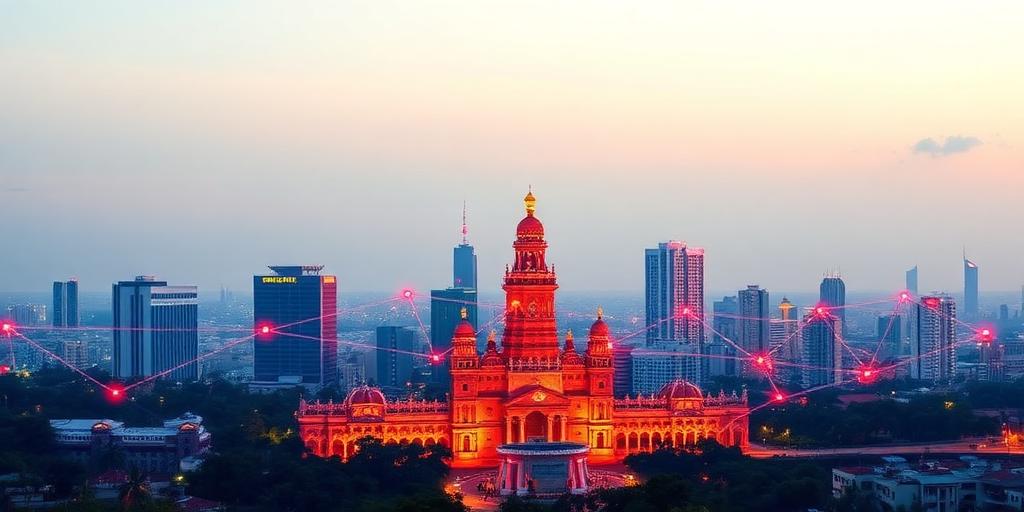
Bangalore, often hailed as the "Silicon Valley of India," has consistently maintained its position as the country's startup capital. This article delves into the ecosystem factors that contribute to Bangalore's continued dominance in the Indian startup landscape.
A Thriving Ecosystem
- Talent Pool: Bangalore boasts a large pool of skilled engineers, tech professionals, and management graduates, thanks to the presence of numerous prestigious educational institutions.
- Investment Hub: The city attracts significant venture capital and angel investment, fostering a conducive environment for startups to secure funding.
- Technological Infrastructure: Bangalore has a well-developed IT infrastructure, including reliable internet connectivity and access to advanced technologies.
- Startup Support System: The city is home to numerous incubators, accelerators, and co-working spaces that provide startups with essential resources and mentorship.
- Government Initiatives: The state government has implemented policies and initiatives to promote entrepreneurship and innovation.
Key Factors Contributing to Bangalore's Startup Success
- Early Mover Advantage: Bangalore was among the first cities in India to embrace the IT revolution, giving it a head start in developing a strong tech ecosystem.
- Global Connectivity: The city has strong connections to global markets, facilitating international collaborations and business opportunities.
- Culture of Innovation: Bangalore fosters a culture of innovation and risk-taking, encouraging entrepreneurs to pursue novel ideas.
- Network Effects: The presence of numerous successful startups and established tech companies creates a strong network effect, benefiting new ventures.
- Evolving Ecosystem: Bangalore's startup ecosystem has continuously evolved to meet the changing needs of the industry, adapting to new technologies and market trends.
Challenges and the Way Forward
While Bangalore's startup ecosystem is thriving, it also faces challenges such as:
- High Cost of Living: The city's high cost of living can be a barrier for startups and their employees.
- Infrastructure Bottlenecks: Traffic congestion and other infrastructure bottlenecks can hinder business operations.
- Competition: The increasing competition for talent and resources can make it challenging for startups to stand out.
To maintain its position as India's startup capital, Bangalore needs to address these challenges by:
- Improving Infrastructure: Investing in transportation and other infrastructure projects.
- Promoting Affordable Housing: Creating more affordable housing options for startups and their employees.
- Fostering Collaboration: Encouraging collaboration between startups, established companies, and government agencies.
Conclusion
Bangalore's continued dominance as India's startup capital is a testament to its thriving ecosystem, strong talent pool, and culture of innovation. By addressing the challenges and continuing to evolve, Bangalore can maintain its position as a global hub for startups and technology.


