
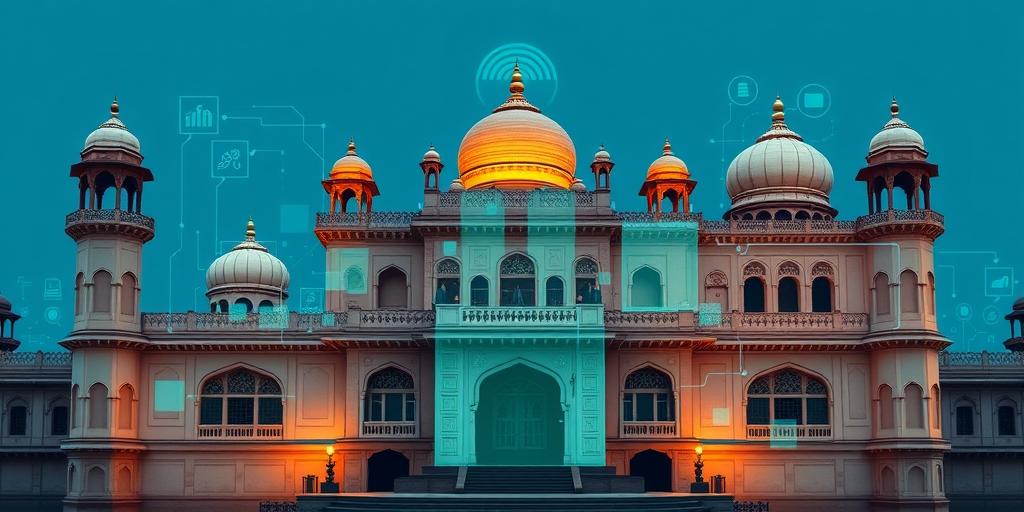
Digital Transformation in Legacy Indian Businesses: Challenges and Triumphs
India, a nation steeped in tradition and history, is witnessing a fascinating phenomenon: the digital transformation of its legacy businesses. These are companies often family-owned, with decades or even centuries of established practices. For them, embracing digital technologies isn't just about efficiency; it's about survival in an increasingly competitive global market. This post explores the unique challenges and inspiring triumphs of this transformation.
Understanding the Landscape
Legacy businesses in India often possess deeply ingrained organizational structures and a resistance to change. Key characteristics include:
- Hierarchical Management: Decision-making is often centralized, slowing down the adoption of new technologies.
- Traditional Skill Sets: Many employees lack the digital skills necessary to implement and manage new systems.
- Resource Constraints: Limited capital may hinder investment in digital infrastructure and training.
- Cultural Resistance: A reluctance to abandon established practices and embrace new ways of working.
These factors create a complex environment for digital transformation initiatives. Overcoming them requires a strategic approach that addresses both technological and cultural hurdles.
Key Challenges in the Digital Journey
Several significant challenges impede the progress of digital transformation in legacy Indian businesses:
- Lack of Digital Literacy: A significant skills gap exists within the workforce. Many employees require training to effectively use new digital tools and platforms. Upskilling for Digital Transformation is crucial.
- Inadequate Infrastructure: Many legacy businesses operate in areas with limited internet connectivity and unreliable power supply. This infrastructure gap hinders the adoption of cloud-based solutions and other digital technologies. Addressing the Infrastructure Challenges in Digital Adoption is essential.
- Data Security Concerns: With increasing cyber threats, legacy businesses are often hesitant to store sensitive data on digital platforms. Robust cybersecurity measures are needed to build trust and encourage adoption. Securing Data During Digital Transition is a paramount concern.
- Integration Complexities: Integrating new digital systems with existing legacy infrastructure can be a complex and costly undertaking. Careful planning and execution are essential to ensure seamless integration. Tackling the Complexities of System Integration is a major step.
- Resistance to Change: Overcoming resistance to change within the organization is a significant hurdle. Employees may be hesitant to adopt new technologies, fearing job displacement or a disruption of established workflows. A successful Change Management for Digital Transformation strategy is key.
Triumphs and Success Stories
Despite these challenges, many legacy Indian businesses are successfully navigating the digital landscape. Here are a few examples of their triumphs:
- Adoption of E-commerce Platforms: Many traditional retailers have embraced e-commerce, expanding their reach to new markets and customers. They are now Leveraging E-commerce for Business Growth.
- Implementation of ERP Systems: Enterprise Resource Planning (ERP) systems are helping legacy businesses streamline their operations, improve efficiency, and gain better insights into their performance. The right ERP system facilitates Streamlined Operations with ERP Implementation.
- Use of Data Analytics: Data analytics tools are enabling businesses to make data-driven decisions, optimize their marketing campaigns, and improve customer service. Data analytics gives a competitive edge via Data-Driven Decision Making.
- Embracing Cloud Computing: Cloud computing is providing legacy businesses with access to scalable and cost-effective IT infrastructure. Cloud Computing Benefits for Traditional Businesses are becoming increasingly clear.
These success stories demonstrate that digital transformation is not only possible but also essential for the long-term survival and growth of legacy Indian businesses.
Strategies for Successful Transformation
To successfully navigate the digital transformation journey, legacy Indian businesses should consider the following strategies:
- Develop a Clear Digital Strategy: Define clear goals and objectives for digital transformation initiatives. Outline a roadmap for implementation and establish key performance indicators (KPIs) to measure progress.
- Invest in Digital Skills Training: Provide employees with the training and resources they need to develop digital skills. Offer opportunities for continuous learning and upskilling.
- Build a Strong IT Infrastructure: Invest in a robust IT infrastructure that can support digital initiatives. Ensure reliable internet connectivity, secure data storage, and adequate cybersecurity measures.
- Foster a Culture of Innovation: Encourage experimentation and risk-taking. Create a culture that embraces change and rewards innovation.
- Partner with Technology Experts: Collaborate with technology experts who can provide guidance and support throughout the digital transformation journey.
The Future of Legacy Businesses in India
The digital transformation of legacy Indian businesses is an ongoing process. As technology continues to evolve, these businesses must remain agile and adaptable to thrive in the digital age. By embracing innovation, investing in digital skills, and fostering a culture of change, legacy Indian businesses can unlock new opportunities for growth and prosperity.
This transformation is not just about technology; it's about reimagining business models, empowering employees, and creating value for customers in a digital world. The journey may be challenging, but the rewards are well worth the effort.


